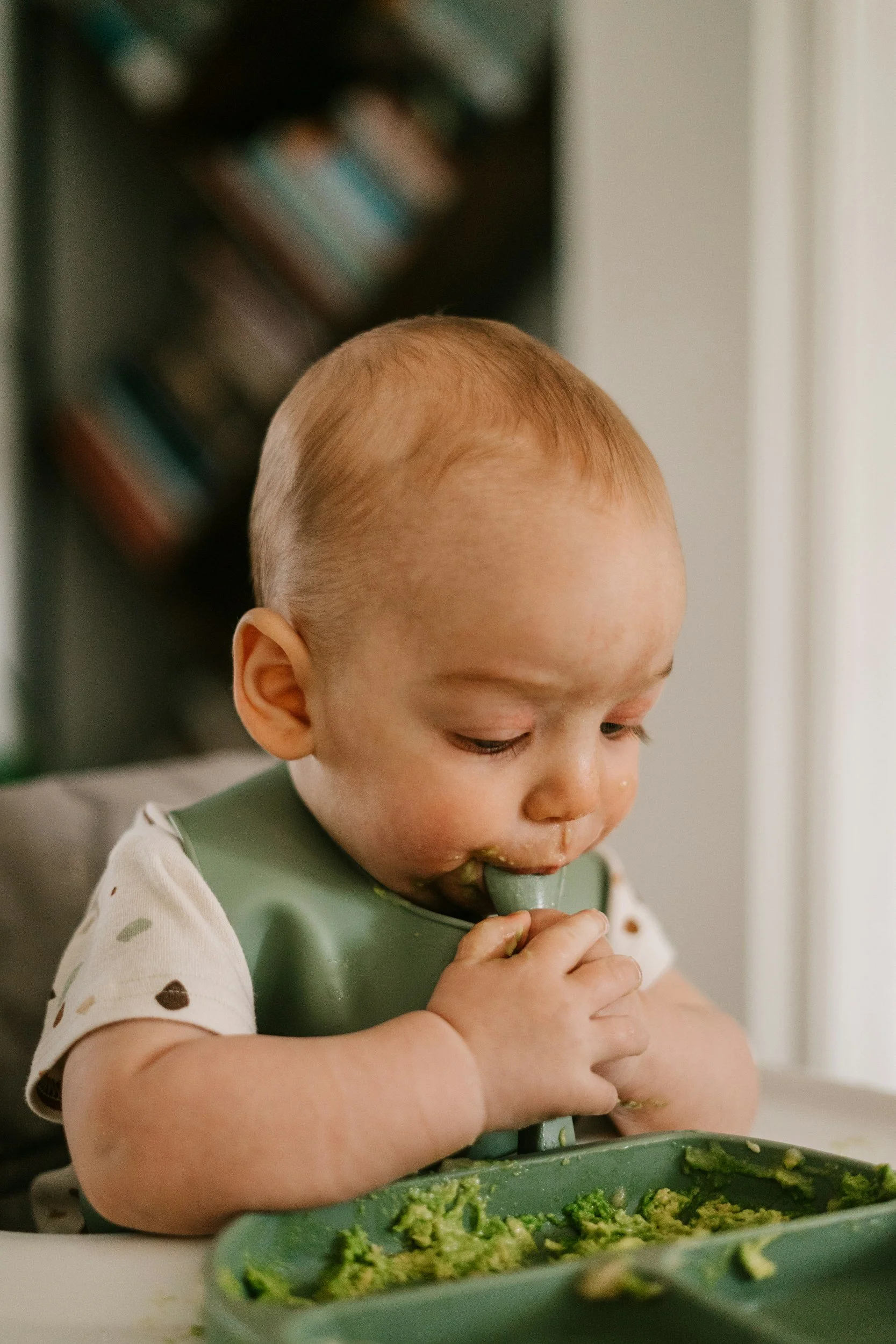
Weaning & Starting Solids
Confidently introducing your baby to food
Starting solids is one of the most exciting milestones in your baby's first year—but it can also feel overwhelming.
Should you try baby-led weaning or spoon feeding? Which foods should you introduce first? When should you introduce allergens?
What if your baby gags? Are they eating enough?
With so much conflicting advice online and on social media, it's no surprise many parents feel unsure where to start.
At Beam Dietitians, we're here to make weaning feel simple, enjoyable and stress-free. Our specialist paediatric dietitians provide personalised, evidence-based advice to help you feel confident introducing solids while supporting your baby's nutritional needs and developing a positive relationship with food from the very beginning.
Whether you're preparing to start weaning, navigating food allergies or simply need reassurance that you're on the right track, we're here to support you every step of the way.
When should my baby start solids?
Current UK guidance recommends introducing solid foods at around 6 months of age, while continuing to breastfeed or formula feed.
Before starting solids, your baby should show signs that they're developmentally ready, including:
Sitting upright with good head and neck control
Coordinating their eyes, hands and mouth to pick up food and bring it to their mouth
Swallowing food rather than pushing it back out with their tongue
Showing an interest in food, such as watching others eat or reaching for food
Every baby develops at their own pace, so it's important to look for these developmental signs rather than focusing on age alone.
Baby-led weaning or spoon feeding?
One of the questions we're asked most often is:
"Which is better—baby-led weaning or traditional weaning?"
The answer is that there isn't a single "right" way.
Many families successfully use:
Baby-led weaning (BLW)
Your baby feeds themselves appropriately prepared finger foods from the start, encouraging independence and exploration.
Traditional spoon feeding
You begin with smooth textures before gradually progressing to mashed and finger foods.
A combination approach
Many families naturally combine both methods, offering finger foods alongside spoon-fed meals.
Our role is to help you choose an approach that suits your baby, your family and your lifestyle while ensuring nutritional needs continue to be met.
What foods should I offer first?
There is no strict order for introducing foods.
The most important thing is to offer a wide variety of foods, flavours and textures over time.
We often encourage families to include foods from all food groups, including:
Vegetables
Fruit
Starchy carbohydrates
Protein-rich foods such as meat, fish, eggs, beans and lentils
Dairy foods (where appropriate)
Healthy fats
Iron-rich foods become particularly important from around 6 months, as babies' iron stores begin to reduce.
Offering repeated opportunities to explore different foods helps build familiarity and acceptance over time.
Introducing allergens safely
Introducing common allergens can feel particularly worrying for parents.
Current guidance recommends introducing common allergenic foods from around 6 months of age, alongside other complementary foods, rather than delaying them unnecessarily.
Common allergens include:
Cow's milk (in foods)
Eggs
Peanuts
Tree nuts
Fish
Shellfish
Wheat
Soya
Sesame
For most babies, introducing allergens early and continuing to include them regularly in the diet may help support normal immune tolerance.
If your baby has eczema, an existing food allergy or there is a strong family history of allergy, you may benefit from personalised advice before introducing certain foods.
Gagging vs choking
Seeing your baby gag can be frightening.
However, gagging is a normal protective reflex that helps babies learn how to manage different food textures safely.
Gagging is usually noisy, with your baby coughing or spluttering while remaining able to breathe.
Choking is different and requires immediate action.
During your consultation, we'll discuss safe food preparation, age-appropriate textures and practical tips to help you feel more confident introducing finger foods safely.
Common weaning concerns we support
Every family is different, but we commonly help parents with:
Knowing when to start solids
Baby-led weaning
Traditional weaning
Mixed feeding approaches
Introducing allergens
Weaning with eczema or food allergies
Reflux during weaning
Constipation after starting solids
Poor weight gain
Babies refusing solids
Texture progression
Transitioning to family meals
Vegetarian and vegan weaning
Building balanced meals
Weaning with allergies or medical conditions
Some babies need additional support when starting solids.
This may include babies with:
Food allergies
Cow's milk protein allergy
Reflux
Prematurity
Faltering growth
Gastrointestinal conditions
Feeding difficulties
As specialist paediatric dietitians, we have extensive experience supporting babies with more complex nutritional needs and can provide tailored advice to help ensure they continue to grow and thrive.
How can a paediatric dietitian help?
Our goal isn't simply to tell you what foods to offer.
We want to help you enjoy this exciting stage with confidence.
During your appointment we can help with:
When and how to start solids
Building balanced meals
Meeting nutritional requirements
Iron-rich food ideas
Allergen introduction
Safe food preparation
Texture progression
Managing constipation or reflux during weaning
Supporting babies with allergies
Advice on supplements where appropriate
Transitioning towards family meals
Every recommendation is personalised to your baby's age, development and nutritional needs.
What to expect from your appointment
We'll take the time to understand your baby's individual needs, including:
Birth and medical history
Current milk feeding
Growth
Development
Any allergies or medical conditions
Current foods accepted
Family concerns
Your goals for weaning
You'll leave with practical, personalised advice that feels achievable and gives you confidence moving forward.
Where appropriate, we can also arrange follow-up appointments to support your baby's progress as they develop.
Why choose Beam Dietitians?
Our team currently works within the UK's largest children's hospital as highly specialist paediatric dietitians.
We support babies and young children every day with feeding difficulties, allergies, gastrointestinal conditions and nutritional concerns.
Families choose Beam because we offer:
Specialist NHS expertise
Evidence-based advice
Practical guidance you can actually use
Compassionate, non-judgemental support
Personalised consultations
Online appointments available across the UK
We believe weaning should be an exciting opportunity to help your child discover and enjoy food—not something that leaves you feeling anxious or overwhelmed.
Frequently Asked Questions
When should I start weaning my baby?
Most babies are ready to start solids at around 6 months of age when they show the developmental signs of readiness.
Which is better: baby-led weaning or spoon feeding?
Both approaches can support healthy development. Many families use a combination of baby-led and spoon-fed meals. We can help you choose an approach that works best for your baby.
What if my baby refuses food?
It's completely normal for babies to reject foods several times before accepting them. Repeated exposure without pressure is one of the most effective ways to encourage acceptance of new foods.
When should I introduce allergens?
Current guidance recommends introducing common allergenic foods from around 6 months of age, alongside other complementary foods, unless you've been advised differently by your healthcare team.
Can you help if my baby has food allergies?
Absolutely. We regularly support families introducing solids alongside food allergies, eczema, reflux and other medical conditions, ensuring babies receive balanced nutrition while managing dietary restrictions safely.
Enjoy every bite of your baby's weaning journey
Starting solids doesn't have to feel confusing.
Whether you're preparing for your baby's very first tastes or you're facing challenges along the way, Beam Dietitians is here to provide expert guidance and reassurance.
Together, we'll help you build confidence, support your baby's nutrition and create positive mealtime experiences that lay the foundations for a lifetime of healthy eating.
Book an appointment today and start your weaning journey with confidence.